LED Face Mask Wavelengths Explained: 605nm vs 630nm vs 660nm vs 850nm
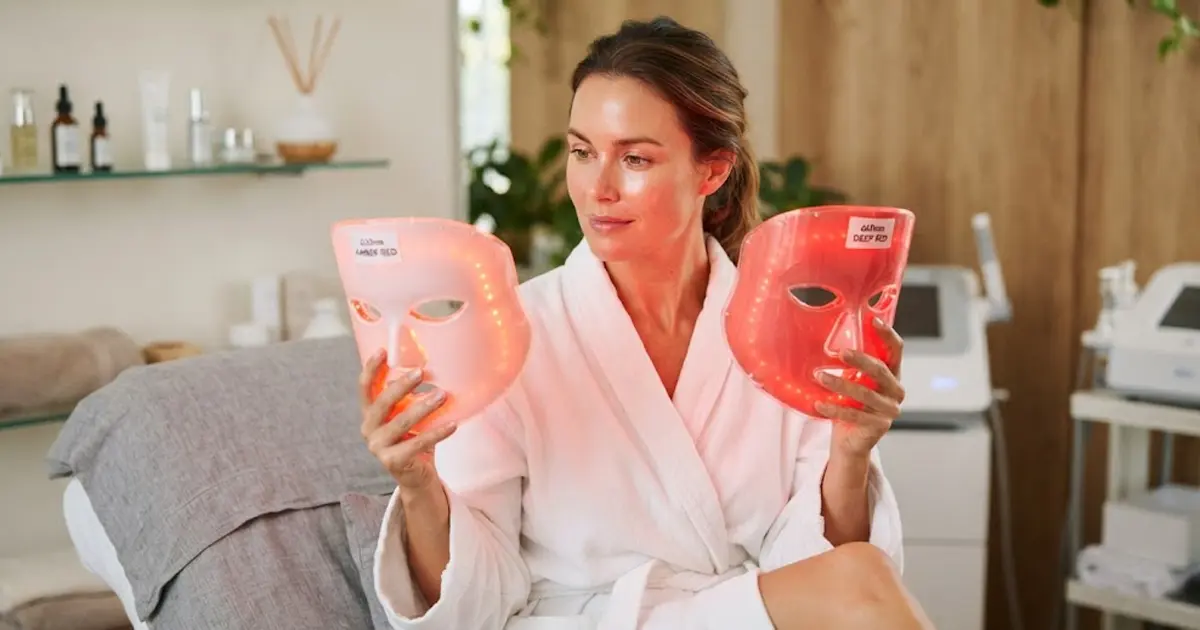
Why Wavelength Selection Defines Your LED Mask Product Line
For beauty brands building or expanding an LED face mask line, wavelength is not a marketing detail—it is the core engineering decision. The specific nanometer (nm) values determine how deeply light penetrates the skin, which cellular processes it may interact with, and ultimately what consumer benefits the device can credibly claim on packaging and in campaign copy.
This matters because LED mask wavelengths are not interchangeable. A 630nm red light and an 850nm near-infrared light may both sit in the "red light therapy" category, but they interact with skin tissue differently. For procurement managers and product developers conducting technical due diligence, understanding each wavelength's intended function—and being clear about which functions are manufacturer-stated versus independently validated—is the first step toward building a differentiated and market-ready product.
This article breaks down the four key wavelengths used in professional LED mask design—605nm, 630nm, 660nm, and 850nm—using the MR-2308 four-wavelength mask as a reference platform, and outlines what brand buyers should evaluate before committing to a specification. All benefit statements below reflect the manufacturer's stated intended functions for these wavelengths, not independently verified clinical outcomes.
605nm Golden Amber: Circulation and Radiance Support
What it is
605nm falls in the golden amber range of the visible light spectrum. It sits at the boundary between yellow and red light, and in LED mask design it is typically used as a complementary wavelength rather than the primary treatment mode.
What it does
According to the manufacturer's product specification for the MR-2308, the 605nm golden amber wavelength is designed to help relieve oxidative stress, support circulation and lymphatic drainage, and contribute to a brighter, more even-looking complexion. These are described as surface-level and circulation-related benefits, which makes 605nm a candidate for modes focused on skin tone and freshness.
Where it fits in a product line
For brands targeting the "brightening" or "radiance" segment, 605nm offers a differentiated claim that goes beyond standard red light messaging. It is particularly useful in multi-mode devices where the brand wants to offer a gentler, more cosmetic-focused setting alongside deeper anti-aging modes.
630nm Red: Skin Tone and Soothing Support
What it is
630nm is one of the most widely recognized red light therapy wavelengths in the beauty device industry. It sits firmly in the visible red spectrum and is associated with superficial skin interaction.
What it does
Per the manufacturer's specification for the MR-2308, the 630nm red wavelength is intended to help promote blood circulation, improve skin tone, and provide a soothing, calming effect on the skin. This makes it well-suited to modes positioned around comfort, recovery, and everyday skin maintenance.
Where it fits in a product line
630nm works well as the "entry" red wavelength in a multi-band mask. It supports manufacturer-stated claims around skin comfort and appearance without requiring the deeper-tissue positioning of 660nm or 850nm. For brands building a "soothing" or "daily care" mode, 630nm provides a clear technical reference point.
660nm Deep Red: Collagen and Anti-Aging Positioning
What it is
660nm is often described as deep red light. It penetrates further than 630nm and is the wavelength most commonly associated with anti-aging positioning in LED mask marketing.
What it does
According to the manufacturer's product specification for the MR-2308, the 660nm deep red wavelength is designed to help promote collagen synthesis, support skin elasticity, and reduce the appearance of fine lines. These are the claims that often support higher price positioning in the LED mask category, and they require a wavelength with sufficient penetration to be presented credibly.
Where it fits in a product line
660nm is a common specification for LED mask lines that emphasize anti-aging positioning. It is the wavelength that supports the category's core marketing narrative. Brands should expect this to be the most scrutinized specification by both consumers and retailers, and should be prepared to present it as a manufacturer-stated function rather than a proven clinical result.
850nm Near-Infrared: Deep Tissue and Recovery Support
What it is
850nm is near-infrared (NIR) light. It is invisible to the human eye, which means a mask using 850nm may appear to be emitting less light than it actually is. This is an important consideration for both product design and consumer education.
What it does
Per the manufacturer's specification for the MR-2308, the 850nm near-infrared wavelength is designed for deeper penetration, with intended functions described as supporting the appearance of firmer, smoother-looking skin. Because it reaches deeper layers, it is often positioned around appearance and recovery-oriented benefits rather than surface-level effects.
Where it fits in a product line
850nm is a differentiator for brands targeting the professional or advanced-user segment. It supports manufacturer-stated claims around deep penetration and the appearance of firmness that visible-light-only devices do not offer. However, because it is invisible, brands must invest in consumer education to communicate its intended value.
Wavelength Comparison at a Glance
| Wavelength | Color / Type | Manufacturer-Stated Intended Benefits | Typical Mode Positioning |
|---|
|---|---|---|---|
| 605nm | Golden amber | Helps relieve oxidative stress, supports circulation and lymphatic drainage, brightens complexion | Brightening / radiance |
|---|---|---|---|
| 630nm | Red | Helps promote blood circulation, improves skin tone, soothes and calms | Soothing / daily care |
| 660nm | Deep red | Helps promote collagen synthesis, supports elasticity, reduces appearance of fine lines | Anti-aging |
| 850nm | Near-infrared | Deeper penetration, supports the appearance of firmer, smoother-looking skin | Recovery / firming |
What Brand Buyers Should Evaluate Before Specifying a Mask
1. Match wavelengths to your target claims
Not every brand needs all four wavelengths. A brand focused on brightening may prioritize 605nm and 630nm, while an anti-aging-focused line should treat 660nm and 850nm as core. Over-specifying wavelengths you cannot market effectively adds cost without adding value.
2. Confirm LED count and coverage
Wavelength alone does not determine performance. The MR-2308, for example, uses 220 high-energy LED beads to cover the full face. LED density and placement affect how evenly light is delivered, which in turn affects user experience and perceived results.
3. Evaluate mode architecture and usability
The MR-2308 offers three modes—Soothing, Brightening, and Anti-aging—with one-button operation and voice prompts. Each mode runs for 10 minutes with automatic shutoff. For brand buyers, mode design is a product-positioning decision: it determines how consumers use the device and what results they associate with it.
4. Consider the full treatment cycle narrative
The MR-2308 is positioned around the manufacturer's suggested 28-day routine. Offering a structured usage timeline helps brands set consumer expectations and supports repeat usage.
Additional Device Formats to Consider
Beyond the MR-2308 four-wavelength mask, brands may evaluate other configurations depending on market positioning:
- MR-2320: Combines 42°C heat massage with yellow, red, and blue light—suited to brands wanting a warmth and comfort angle alongside light therapy.
- MR-1920: A three-in-one design integrating LED, high-frequency vibration, and heat—positioned for brands targeting a more sensory, multi-function experience.
- MR-1888: Features 165 LEDs in three colors (brightening, anti-aging, and an antibacterial mode described by the manufacturer as antibacterial), with customizable color options—useful for brands wanting SKU differentiation through appearance.
Each format supports different price tiers and consumer segments, and can be adapted to specific brand requirements.
OEM Customization: Building Your Own Specification
For brands ready to move from specification research to product development, NICEMAY offers ODM/OEM support for LED beauty devices. The NICEMAY brand, established in 2008, supports customization across color, logo, and packaging. Minimum order quantity starts at 500 units for the face-lifting category (confirm per model), with certificates available upon request for CE, FCC, and RoHS compliance requirements.
This means brand buyers can take an existing wavelength architecture—such as the four-band 605/630/660/850nm configuration—and adapt it to their own positioning, aesthetics, and market requirements without building the underlying technology from scratch.
Discuss Your Device Idea
If you are evaluating LED mask wavelengths for an upcoming product line, the right specification depends on your target claims, price tier, and consumer segment. NICEMAY's team can help you map wavelength selection, mode design, and customization options to your brand strategy. When you are ready to move from wavelength comparison to a production-ready specification, reach out to discuss your device idea with our team.